
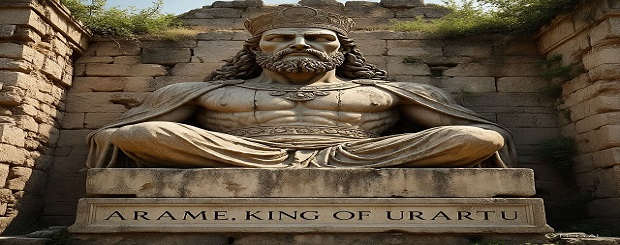
The symbols of the ancient kingdom of Urartu (9th–6th century BCE) reflect a powerful civilization that once ruled the highlands around present-day Armenia.
Each emblem carried deep meaning—the winged sun disk symbolized divine authority and protection, while the Star of Ishtar represented fertility, power, and celestial energy.
Figures like the horned god revealed the importance of warrior deities in Urartian belief, and animals such as the bull, griffin, and ibex stood for strength, guardianship, and connection to nature.
Even their cuneiform inscriptions were not just writing, but a declaration of kingship and legacy carved into stone. Today, these symbols are more than ancient art—they are echoes of a lost empire,
preserving the spirit, faith, and identity of one of the world’s oldest civilizations

www.facebook.com/photo/?fbid=26098744726403384&set=a.257974350907109


